
Passports / permits
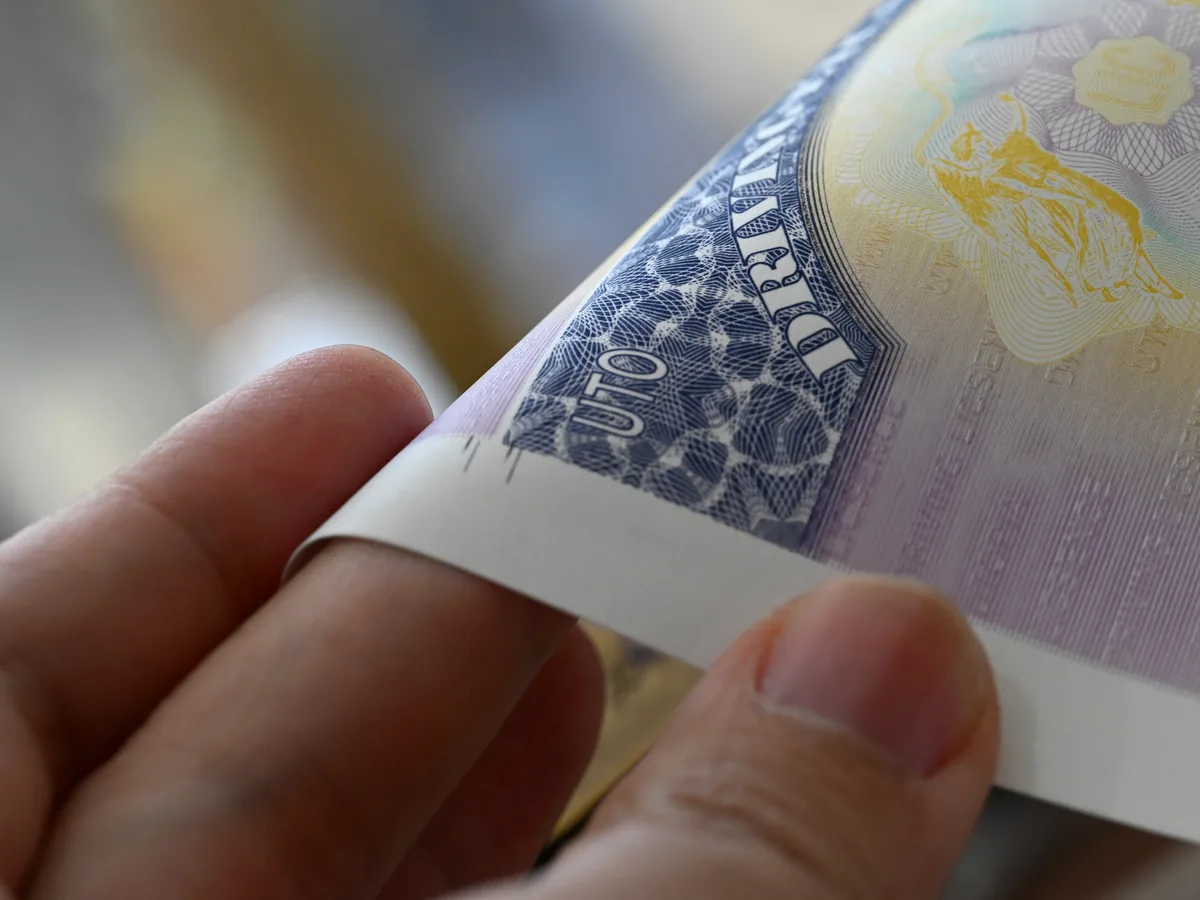
Data-page security printing, binding and chip integration; retention samples to ICAO requirements.
PUBLIC SECTOR / GOVERNMENT
From passports and travel permits to official paper, security seals and archival stock, delivered to regulatory requirements. Compliance before appearance: unique serials, verifiable security, retained samples, logged destruction.
Security printing experience
Security features available
Major quality incidents
WHY YIKO
Unique serials. Verifiable security. Retained samples. Logged destruction. These requirements decide the process order — and who can deliver it.
We design verification before print. First confirm how the document will be checked on site — by eye, UV, touch or scan — then work backwards into material and process. This prevents a common failure: security features nobody can actually verify.
Layout, features and process satisfy regulation and inspection first. Visual design follows.
Materials, plates, first articles and waste records are bound to the batch. Retention samples remain available.
The checking route is designed around site conditions, not left to a manual.
DELIVERABLES
A coherent delivery is not a bundle of products. It is one shared logic for numbering, retention and traceability.
Data-page security printing, binding and chip integration; retention samples to ICAO requirements.
Watermarked paper, security threads and anti-copy guilloche, with optional serials and QR registration.
Ink formulation, microtext on the die and visual / tactile verification after impression.
Qualification certificates and licence documents with standardised layouts and short-run capacity.
VERIFICATION FIRST
The same document, checked by different people, needs a different combination. Choose the main verification route on site to see which features should come first.
The public or a counter clerk, with no equipment, making a first judgement.
Make sure the feature is visible by changing angle. Do not rely solely on a feature that requires training.
A counter or inspection point using a UV lamp for a quick second check.
Check UV response against ambient light and confirm brightness and pattern clarity at proof stage.
Intaglio, embossing and braille provide a physical check independent of light.
Tactile features are affected by substrate and finishing. First-article approval should involve several people.
QR, serial range or chip connects the document to the issuer’s verification system.
Distinguish “record exists” from “record is valid”, and provide a clear path for exceptions.
PROCUREMENT
A clear tender shortens the loop and makes competing quotes comparable.
Who uses it, where, for how long, and whether it crosses borders.
Eye, UV, touch or scan — and who performs each check.
Total volume, batch ceilings, phased delivery and retention requirements.
Allocation, voiding, duplicate handling and any verification API.
Applicable document specifications, industry standards and acceptance checklist.
Sampling ratio, non-conformance handling, sealing and handover documents.
FAQ
These answers reflect common project experience. A live project is governed by its contract and inspection checklist.
Yes. The usual route is specification, physical proof, first-article approval, then batch delivery. A pilot run is possible, but platemaking and spot-colour set-up are assessed separately.
Yes. We ask for the acceptance checklist at specification stage and write sampling ratios, methods and record formats into the delivery requirement.
Plate data is not sent outside; platemaking happens in a controlled area. Serial ranges are registered by batch, with voiding and duplicate records. At project close, data is returned, sealed or destroyed as agreed.
NEXT
Tell us the use case, verification method and volume. Within 48 hours you will receive an executable material and process checklist.